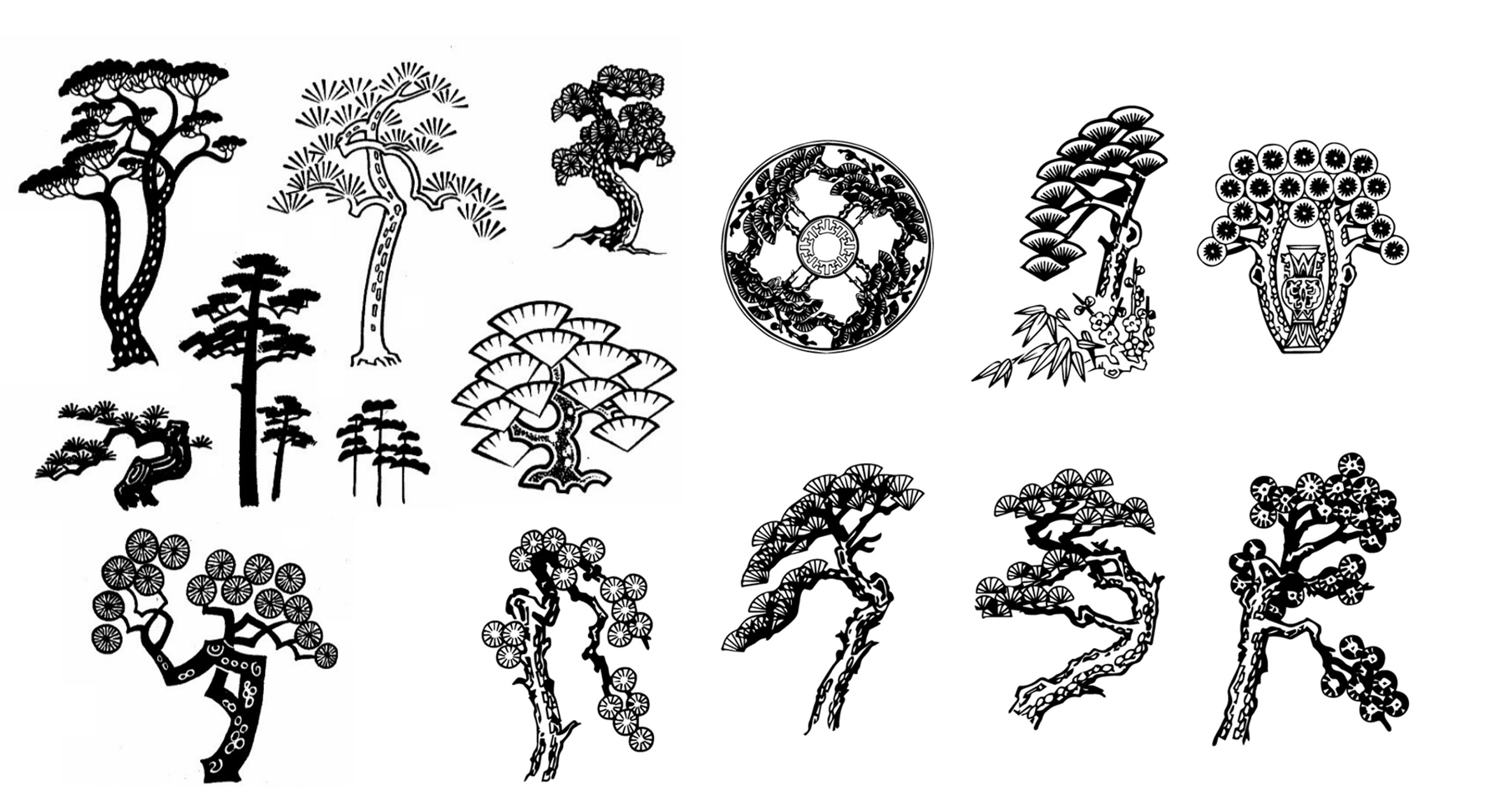
The Imagery of the Pine in Chinese Visual Art and Culture: An Exploration of Symbolism and Origins
Keywords:
Pine Imagery; Cultural Symbols; Visual Art; Visual Form; Cultural ConnotationAbstract
The imagery of the pine tree serves as a visual symbol of enduring vitality in traditional Chinese culture. This paper systematizes the typologies of pine imagery in Chinese visual art to investigate the mechanisms underlying its continued vibrancy across time and space. Through literature review and iconographic analysis, the study delineates four major categories of pine imagery: the Symbol of Divinity and Order, the Representative of Longevity and Death, the Metaphor for Virtue and Emotion, and New Imagery in the Modern Context. Drawing on perspectives from semiotics and the philosophy of subjectivity, the paper argues that the robust vitality of pine imagery stems from the variability of its visual forms and the plurality of its cultural connotations. Serving as a source of spiritual solace in times of adversity, its evolution is fundamentally a projection of the shifting human subject consciousness—transitioning from collective worship to individual spiritual sustenance, and finally to the fluid subjectivity of the contemporary era.