Cataloguing Meaning: Integrating Cultural Interpretation of Revived Materials in Sustainable Design
Keywords:
material experience, cultural meaning, circular material libraries, sustainable designAbstract
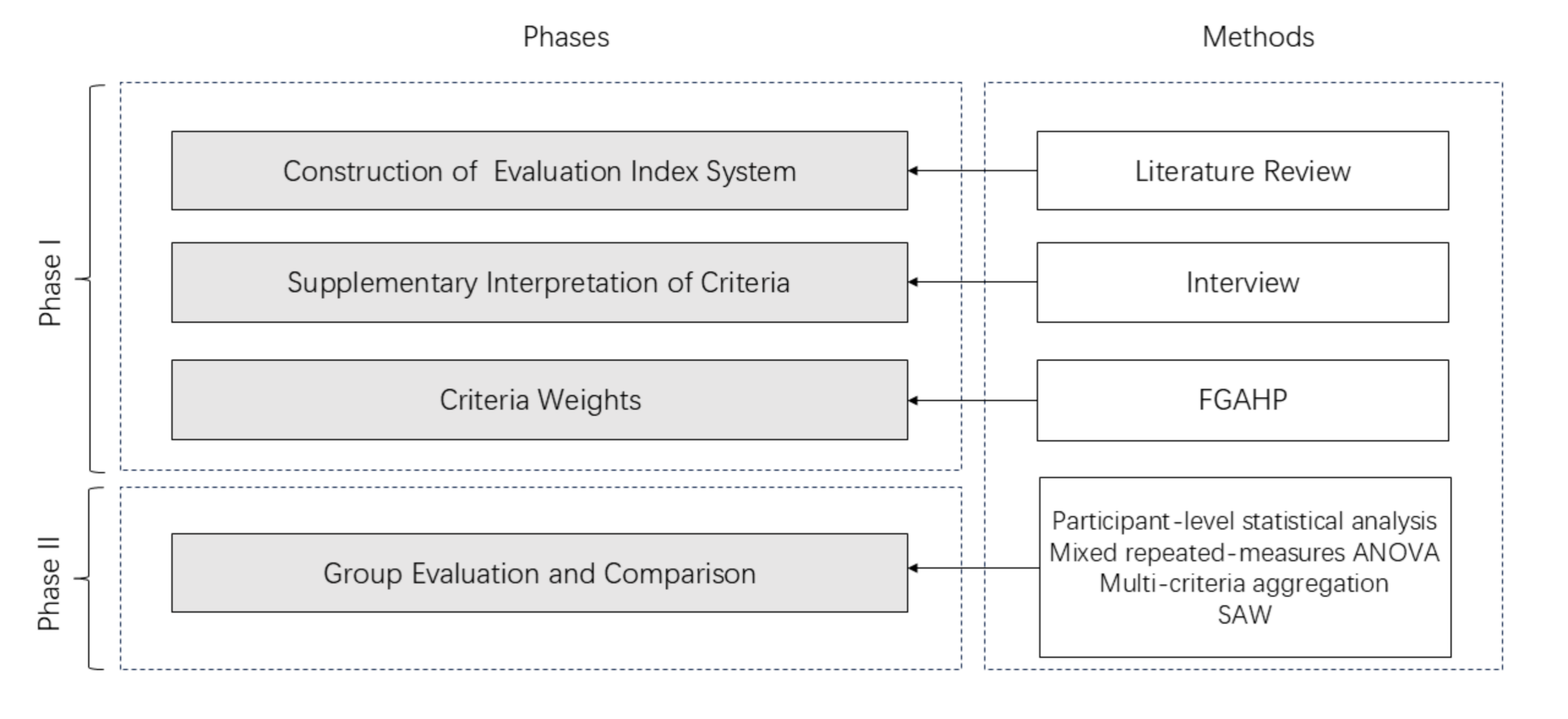
The acceptance and evaluation of revived materials as sustainable design resources depend not only on their technical and formal performance but also on the meanings attributed to their material sources through user experience. This study develops a meaning-centered experiential evaluation framework and examines whether cultural and experiential information can complement the technical information currently provided by circular material libraries. Using persimmon-waste materials as a case study, the research combined qualitative meaning elicitation with a fuzzy group analytic hierarchy process (FGAHP) and user evaluations under three different information conditions. Expert weighting assigned substantial importance to affective attributes. Participant-level analyses revealed that the information condition significantly affected affection and behavioral intention evaluations, with Group C scoring higher than Group A; however, no significant effect was observed for cognitive evaluation. Evaluations also differed significantly among the three material samples. These findings support incorporating cultural and experiential meanings into early-stage revived-material evaluations and suggest that structured contextual information can effectively complement technical data in circular material libraries.